Meme coins are cryptocurrencies built around online trends and communities. Their prices can change quickly, which attracts traders interested in fast-moving markets. If you want to learn how to trade meme coins, this guide covers the basics—what they are, how they move, and the key steps to start trading them safely.
How Meme Coin Trading Works

Meme coin trading is mostly speculation-driven. Instead of relying on long-term fundamentals, their price movements are shaped by community activity, social media trends, and viral moments. Platforms like X (Twitter), Telegram, and Reddit often dictate when a meme coin gains momentum, and traders watch these channels closely to spot early signals. The fast-moving nature of this environment makes timing and awareness critical.
Unlike mainstream cryptocurrencies such as Bitcoin or Ethereum, which are built for utility and long-term adoption, meme coins thrive on hype and collective sentiment. Their value can rise quickly when a community rallies behind them, but it can also drop just as fast when interest fades. This is why understanding the social dynamics around a coin is as important as looking at its charts.
Most meme coins live on a few key blockchains. Ethereum is the most common, hosting large tokens like Shiba Inu. Binance Smart Chain (BSC) is popular for low fees and fast transactions, making it a hub for smaller, rapid-launch memes. Solana has also become a hotspot due to its low-cost, high-speed network, especially for new meme tokens. Knowing which blockchain a token runs on helps you choose the right tools and trading strategies, which is a key part of learning how to trade memecoins safely.
Tools for Trading Meme Coins
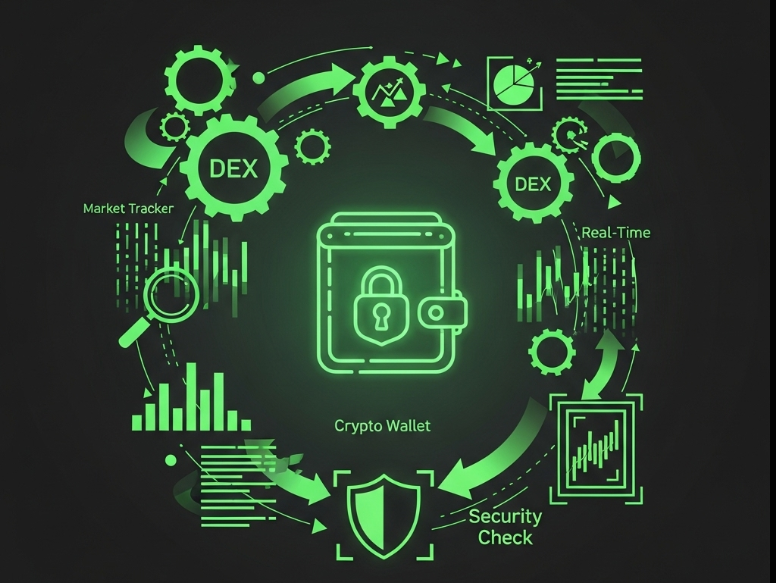
To start trading meme coins, you need a few core tools that make buying, tracking, and securing tokens easier.
Wallets: You’ll need a crypto wallet to store and trade meme coins. MetaMask is popular for Ethereum-based tokens, Phantom works well for Solana, and Trust Wallet supports multiple blockchains, including Binance Smart Chain (BSC). These wallets connect directly to decentralized exchanges (DEXs), allowing you to swap tokens quickly.
DEXs: Most meme coins launch on decentralized exchanges before reaching major platforms. Uniswap (Ethereum), PancakeSwap (BSC), and Raydium (Solana) are the top choices. They let you trade tokens early and access projects before they hit centralized exchanges.
Trackers: Tools like DexScreener and TokenSniffer help you monitor live prices, trading volume, and contract safety. For Solana-based memes, Solscan is useful to check token activity and transactions.
Security Checks: Before buying, always review token holders and liquidity. A healthy distribution reduces the risk of one wallet dumping the supply, and locked liquidity signals that developers can’t pull funds out suddenly. These checks are essential for anyone learning how to start trading memecoins while managing risk.
How to Trade Meme Coins
Trading memecoins is different from trading established cryptocurrencies because their value is driven more by community activity and online trends than by long‑term utility. Below is a clear, step‑by‑step process to understand how to trade memecoins safely.
Understand What Moves Memecoins
- Community Hype: Prices often rise or fall based on social media buzz and influencer mentions.
- Low Entry Costs: Many memecoins have tiny starting prices, attracting large numbers of small traders.
- Volatility: Sharp price swings are normal, so timing and quick decisions matter.
1. Set Up and Fund a Wallet
To start, you need a crypto wallet that works with the blockchain you plan to trade on. Popular options include MetaMask for Ethereum, Trust Wallet for Binance Smart Chain (BSC), and Phantom for Solana.
- Create a new wallet and write down the seed phrase offline.
- Buy ETH, BNB, or SOL on a centralized exchange such as Binance or Coinbase.
- Transfer the crypto to your wallet by copying your wallet address and using the withdrawal option on the exchange.
2. Connect to a Decentralized Exchange (DEX)
Meme coins are usually traded on decentralized exchanges. Choose the one that matches your wallet’s blockchain.
- Use Uniswap for Ethereum-based tokens.
- Use PancakeSwap for BSC tokens.
- Use Raydium or Orca for Solana-based tokens.
Open the DEX website and connect your wallet by approving the connection when prompted.
3. Find and Research a Meme Coin
Before buying, you need to make sure the token is legitimate and has active community support.
- Look for coins with active Twitter and Telegram communities.
- Only use the official contract address from trusted sources like CoinGecko or the project’s website.
- Check token holders and liquidity using tools such as Etherscan, BscScan, or Solscan. Avoid tokens where one wallet controls most of the supply.
4. Swap Tokens for a Meme Coin
Once you’ve chosen a coin, you can trade your ETH, BNB, or SOL for it on the DEX.
- Paste the token’s contract address into the DEX search bar.
- Select the amount of ETH, BNB, or SOL you want to trade.
- Adjust slippage to between 3–10% since meme coins are volatile.
- Confirm the swap in both the DEX and your wallet.
5. Monitor Your Trade
After the swap, add the token’s contract to your wallet so you can see your balance. Use price trackers like DexScreener or DEXTools to follow market movements. Pay attention to trading volume and community activity, as both can affect price changes.
6. Plan Your Exit and Take Profits
Having a plan before you buy is essential. Decide how much profit you want to take and when you would exit if the price drops.
- Set a target price and stick to it.
- Consider selling part of your position gradually instead of all at once.
- Convert profits back into ETH, BNB, or SOL to make withdrawals easier.
7. Withdraw or Store Safely
When you’re done trading, you can move your funds back to a centralized exchange to convert to fiat currency or transfer them to a cold wallet for long-term storage. Always keep your seed phrase and private keys secure.
How to Spot Legit Meme Coins vs. Scams
When learning how to trade memecoins without getting scammed, knowing what to look for can protect you from common traps. Meme coins move fast, and scams are often designed to take advantage of hype.
1. Watch for Rug Pull Red Flags
Rug pulls happen when developers drain liquidity or abandon a project, leaving holders with worthless tokens.
- Check if liquidity is locked for a set period on platforms like Unicrypt.
- Avoid coins where developer wallets control a large share of tokens.
- Be cautious with tokens that launch without a clear distribution plan.
2. Use Token Analysis Tools
Free tools can help you check a token’s contract and spot warning signs.
- TokenSniffer: Runs automated checks for common scam patterns.
- Contract Audits: Look for projects that have third-party code audits or verifiable open-source contracts.
- Blockchain Explorers: Use Etherscan, BscScan, or Solscan to verify contract activity.
3. Check Wallet Distribution
A safe meme coin usually has a wide spread of holders.
- Avoid tokens where one wallet controls more than 20–30% of supply.
- Look for healthy liquidity levels relative to market cap to ensure you can sell later.
4. Verify Community and Transparency
Legit meme coins often have active, public teams and open communication.
- Join the project’s Telegram or Discord and gauge how transparent the team is.
- Check if the developers have been involved in previous projects with good track records.
Taking these steps doesn’t remove all risk, but it gives you a practical way to filter out scams and focus on meme coins with real community backing and healthier trading setups.
Centralized vs. Decentralized Meme Coin Trading
When deciding how to trade memecoins safely, you’ll need to choose between centralized exchanges (CEXs) and decentralized exchanges (DEXs). Each offers different benefits depending on your goals and experience.
Centralized Exchanges (CEXs)
Platforms like Binance, KuCoin, and Bybit list established meme coins such as DOGE and SHIB.
Pros:
- Easy for beginners with simple interfaces and fiat on-ramps.
- Built-in security measures and customer support.
- Higher liquidity for popular meme coins.
Cons:
- Meme coins often get listed later, missing early entry opportunities.
- Requires account creation and KYC on regulated platforms.
Decentralized Exchanges (DEXs)
DEXs like Uniswap, PancakeSwap, and Raydium are where most new meme coins launch.
Pros:
- Access to coins at launch before they hit major CEXs.
- Full control over your funds via non-custodial wallets.
- No sign-ups; trades happen directly on-chain.
Cons:
- Requires knowledge of wallets, slippage, and contract addresses.
- Higher risk of scams and low liquidity tokens.
Which is Better for Beginners?
For learning and trading well-known meme coins, CEXs are easier and safer. If your goal is to find early meme coins with high potential, DEXs offer that access but require extra research and careful security practices. Many traders eventually use both: CEXs for security and liquidity, DEXs for early opportunities.
Strategies for Trading Meme Coins
Knowing how to trade memecoins and make profit comes down to timing and managing risk. Meme coin prices are driven by community activity and hype, so your approach needs to match that volatility.
1. Early Entry Strategy
Buying meme coins right after launch gives you the best potential upside. Traders use DEXs and sniping tools to catch low-cap tokens early.
- How it works: Monitor new token listings on platforms like DexScreener.
- Goal: Enter before social media buzz drives the price up.
- Risk: Many early coins fail or are scams, so check contracts and liquidity first.
2. Hype Cycle Trading
Most meme coins follow a hype pattern—rapid price growth followed by a sharp drop.
- How it works: Enter when buzz starts building (social media mentions, trending charts) and exit before the peak.
- Goal: Capture the run-up without holding through the crash.
- Tip: Track community activity on X (Twitter), Telegram, and Discord.
3. Scalp Trading
Scalping uses small, quick trades to profit from short-term price swings.
- How it works: Trade in and out multiple times during volatility using tight targets.
- Goal: Build steady gains while avoiding large exposure.
- Tool: Use DEX trackers to monitor price changes in real time.
Risk Management for Meme Coin Trading
Managing risk is essential when trading meme coins due to their high volatility and speculation-driven price moves. A simple plan can help you avoid large losses and keep your strategy consistent.
- Limit exposure: Allocate only a small percentage of your portfolio to meme coins.
- Use stop-loss orders: Protect your funds by setting a clear exit point if the price drops.
- Take profits early: Lock in gains before the hype cools down.
- Avoid FOMO: Don’t buy every trending coin without research.
- Have a plan: Decide entry and exit levels before placing a trade.
Common Mistakes Beginners Make
Many new traders lose money on meme coins by skipping basic checks and trading without a plan. Avoid these frequent errors:
- Skipping contract checks: Always verify the token’s contract address and audit status before buying.
- Holding too long: Meme coins can rise and fall quickly. Failing to take profits often leads to missed gains.
- Using essential funds: Never trade with money needed for bills or savings. Meme coins are highly speculative and should only be bought with discretionary funds.
Being aware of these mistakes helps you approach meme coin trading more cautiously and with better preparation.
Read more about how to choose a crypto exchange and avoid the mistakes!
Conclusion
Meme coins are highly speculative and can bring both quick gains and steep losses. Their price movements are driven more by community and trends than utility, making research and risk control essential.
If you are planning to trade meme coins, start small, set clear goals, and choose your trading platform carefully. You can use ExchangeCatalogue’s Exchange Finder to compare exchanges and find the best option for your location and trading style.
This guide is based on independent research and is for informational purposes only. ExchangeCatalogue.com does not provide financial or investment advice. Always do your own due diligence before trading.
FAQs
1. What do I need to start trading meme coins?
To trade meme coins, you need a crypto wallet compatible with the blockchain you want to use (e.g., MetaMask for Ethereum, Trust Wallet for BSC, Phantom for Solana). You’ll also need to fund it with ETH, BNB, or SOL and connect to a decentralized exchange (DEX) such as Uniswap or PancakeSwap.
2. How to trade memecoins safely without losing everything?
Trade small amounts, verify token contracts from trusted sources, and check liquidity locks. Use tools like TokenSniffer to scan for common scam patterns. Always research community activity and avoid coins with high wallet concentration.
3. Which blockchain is best for meme coins?
Most meme coins launch on Ethereum, Binance Smart Chain (BSC), and Solana. Ethereum hosts established tokens like Shiba Inu, BSC offers low fees for new projects, and Solana is popular for fast, low-cost trading of trending meme coins.
4. Do I need a centralized exchange (CEX) to buy meme coins?
You only need a CEX if you’re buying well-known meme coins like DOGE or SHIB with fiat. For early meme coins, you’ll use decentralized exchanges (DEXs). Many traders combine both: using CEXs for fiat on-ramps and DEXs for early entries.
5. What is slippage in meme coin trading and why does it matter?
Slippage is the difference between the expected price and the actual execution price of a trade. Meme coins often require a higher slippage setting (3–10%) due to taxes and volatility. Setting it too low may cause your trade to fail.
6. How can I find legit meme coins early?
Watch trending coins on DexScreener and PumpDotFun, check active Telegram and Twitter communities, and verify liquidity is locked. Legit tokens usually have transparent teams, healthy wallet distribution, and consistent on-chain activity.
7. Can ExchangeCatalogue help me choose a platform for trading meme coins?
Yes. You can use our Exchange Finder to compare exchanges by country, supported coins, and trading features. It helps you quickly find platforms that fit your needs without guesswork.